
Atameken-Agro and CLAAS connect: How Big Data Is Changing Machinery Management
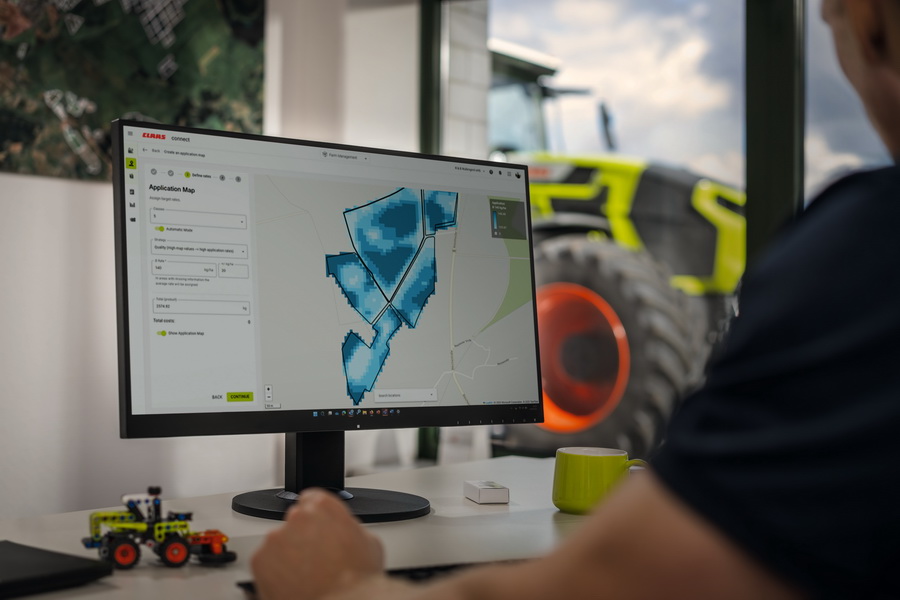
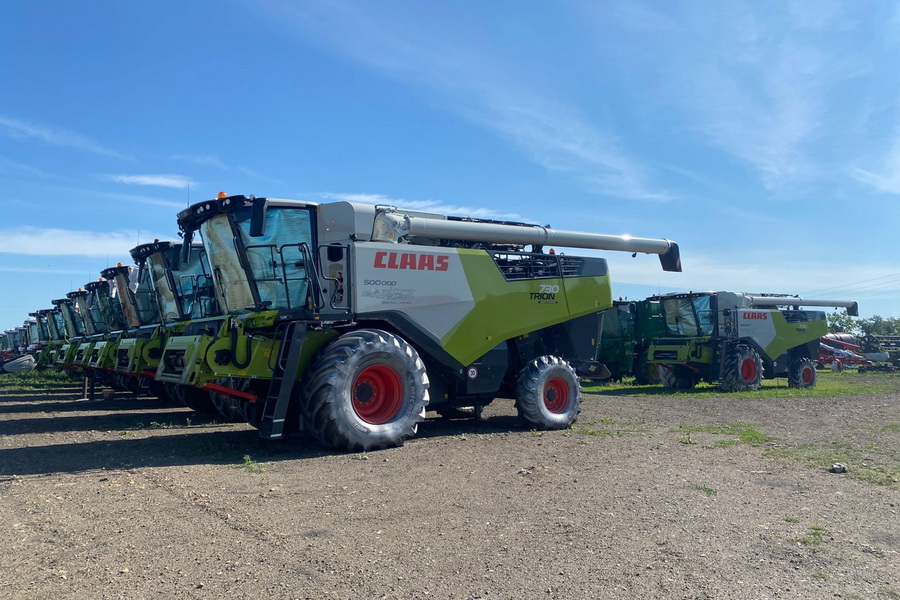
Alexander Ponamarev, Atameken-Agro Chief Engineer, gave an interview to El Dala,, where he spoke about the project to connect the holding’s machinery to the CLAAS connect digital ecosystem.
“Our holding unites 10 crop production enterprises located not only in different districts, but also in different regions. The total land area exceeds 333 thousand hectares. We mainly cultivate 14 different crops using no-till technology. The machinery we purchase is expensive. It is impossible to keep records of all this on paper and maintain proper control without the help of digital technologies.”
In 2020, Atameken-Agro purchased new XERION tractors with a CLAAS TELEMATICS license to collect, analyze and manage big data. This marked the beginning of a new stage in the company’s digital history. The pilot project was implemented jointly with CT AGRO, the official CLAAS machinery dealer in Kazakhstan.
According to the company’s Chief Engineer, even at the initial stage, CLAAS TELEMATICS made it possible to monitor key machinery performance parameters, including engine load, geolocation, operating hours, downtime and fuel consumption.
With the launch of CLAAS connect in Kazakhstan in 2024, the capabilities of digital monitoring expanded significantly. Through the mobile application, specialists gained quick access not only to data on the condition of the machines, but also to information on work output, productivity and operating efficiency. In addition, a notification system for upcoming maintenance was configured, allowing service work to be planned in a timely manner and improving the reliability of machinery operation.
After the launch of CLAAS connect, the number of unexpected repairs decreased. Based on the results of seasonal monitoring, specialists can identify failure risks for individual machines in advance and take action before the next season begins. Dismantling and inspecting components during the off-season helps detect and eliminate potential faults in time, preventing machinery downtime during field operations. As a result, unexpected machinery failures decreased by 3–5%.
In 2025, the company expanded its machinery fleet with TRION combine harvesters and JAGUAR forage harvesters. During harvesting, the machines record yield and quality indicators linked to field maps, providing Atameken-Agro with more accurate analytics for each field section.
Combine harvesters equipped with the CEMOS AUTOMATIC onboard assistant are of particular importance. The system helps optimize threshing: specialists can see which crop is being harvested, what clearance settings are being used, where losses occur, and adjust machine settings in a timely manner to improve harvesting efficiency.
Part of Atameken-Agro’s machinery is already equipped with the new CEMIS 1200 onboard terminal. These machines receive task maps remotely, directly on the onboard computer.
Alexander Ponamarev notes that as more data is accumulated — from machinery mileage to dry matter yield per unit area — Atameken-Agro will be able to build its production processes with even greater precision. In the long term, this will enable the company to improve both the quality and volume of production while reducing operating costs.

